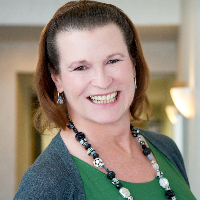
About Rhoda
Dr. Rhoda Lipscomb brings more than three decades of clinical experience to her work. She is a Licensed Professional Counselor (LPC) based in Colorado and has spent much of her career helping people with sexuality, relationships, and related life stresses.
Her style emphasizes connection and straightforward talk so clients feel heard and understood. She has worked in reproductive health settings early in her career, offering education and counseling on sexual health and contraception.
How Rhoda works
Over the years she has run a independent practice focused on sexual concerns and relationship dynamics, including alternative sexual cultures and nontraditional relationship structures. In sessions she listens for where shame and fear have shaped beliefs about sex and intimacy. She helps people identify unhelpful thoughts and try different ways of responding.
Practical tools and short-term goals are often part of the work when clients want clear steps forward. Her clinical approaches include acceptance and commitment techniques, client-centered methods, cognitive behavioral strategies, hypnotherapy, and solution-focused work. These approaches are used to address anxiety, depression, grief, trauma, and relationship strain alongside sexual concerns.
Clients who appreciate direct, nonjudgmental conversation often find her approach useful. She aims to create a space where people can talk about sexuality, identity, and life transitions without shame and can move toward clearer values and healthier behaviors.
Rhoda lists 6 ways of working on the entry:
What Rhoda works with
The areas below are the ones Rhoda selected when setting up a profile. The first few are listed as the main focus; the rest are also named.
- Stress, Anxiety
- LGBT
- Relationship issues
Also listed
- Anger management
- BDSM, kink, and alternative sex culture
- Career difficulties
- Coping with life changes
- Depression
- Divorce and separation
- Family conflicts
- Gender dysphoria
- Grief
- Intimacy-related issues
- Life purpose
- Polyamory / non-monogamous relationships
- Self esteem
- Sexual dysfunction
- Sexuality
- Trauma and abuse
- Women's issues
Training and background
| Register | LPC |
|---|---|
| Years in practice | 34 |
| Languages | English |
| Session format | Online: video, phone, live chat or messaging |
| Country | Colorado |
Memberships and registers are shown as supplied; they are not licences, and this directory does not verify them.
Online support options
How therapeutic approaches translate to online work
Acceptance and Commitment Therapy (ACT) focuses on clarifying personal values and taking committed action toward them. It helps when worry or avoidance keeps people from living in line with what matters to them. Cognitive Behavioral Therapy (CBT) looks at the links between thoughts, feelings, and behavior and teaches practical skills to shift unhelpful patterns. It can be helpful for anxiety, depression, and anger. Client-Centered Therapy emphasizes being heard and respected; the therapist follows the client's lead and supports self-directed growth.Finding the right approach is part of the work. The therapist will collaborate with each person to choose methods that match their goals, needs, and preferences. That might mean combining acceptance, cognitive skills, and supportive listening rather than sticking to a single label.
Confirm the therapist's available session options before booking so you know which formats are offered. Online therapy can make scheduling easier, allow short check-ins during a busy day, and remove travel time so sessions fit into everyday life. It also lets people continue work when circumstances change, while the therapist and client decide together what approach and rhythm of sessions will be most helpful.
Start online instead of waiting
Our partner service asks a few questions about what you are looking for and matches you with a therapist for sessions from home.
Book with RhodaWe will earn a commission if you sign up through our link, at no cost to you.
Common questions
What kinds of concerns does she address?
How would you describe her therapeutic style?
What is her clinical background?
What credentials and location are listed?
Are sessions offered in other languages or internationally?
What session formats are available?
How much do sessions cost?
How do I begin the process?
A practical next step
Write down two things you would want to be different in six months. That is the most useful thing to bring to a first session, whoever it is with. If you would rather start now than keep reading, online sessions are the quickest route.
We will earn a commission if you sign up through our link, at no cost to you. Entries are not assessed or endorsed by this directory.
Other entries for stress, anxiety
Supportive LCSW helping people build strength and clarity
Practical, trauma-aware therapy for everyday life
Practical, relational therapy for life transitions