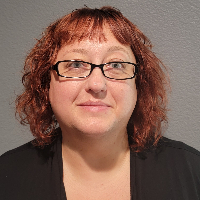
About Jolene
Dr. Jolene Des Roches is a Licensed Professional Counselor (LPC) in Texas who supports people facing stress, anxiety, depression, trauma and abuse, and LGBT-related concerns. She helps with relationship and intimacy issues, grief, parenting challenges, sleep and eating struggles, ADHD, bipolar concerns, and caregiving burnout.
Her approach is calm and affirming, and she aims to meet each person where they are. She uses person-centered care to build trust and to let clients set the pace.
How Jolene works
Cognitive Behavioral Therapy is part of her work when people want practical tools for changing thoughts and behaviors. Dialectical Behavior Therapy skills are introduced for emotion regulation and interpersonal effectiveness when needed. Dr.
Des Roches also integrates trauma-focused methods like Eye Movement Desensitization and Reprocessing for people processing traumatic memories. She draws on the Gottman Method principles when addressing communication patterns and commitment concerns in relationships. In sessions she balances active coaching with empathetic listening.
Her practice includes attention to a broad range of additional concerns such as adoption and foster care issues, attachment challenges, autism spectrum experiences, body image, chronic illness, and dissociation. She addresses workplace stress, caregiver strain, and life transitions with practical coping strategies. With 15 years of experience, she aims to make therapy straightforward and useful.
People are invited to move at their own speed while learning skills, trying new behaviors, and making meaning of difficult experiences.
Jolene lists 9 ways of working on the entry:
What Jolene works with
The areas below are the ones Jolene selected when setting up a profile. The first few are listed as the main focus; the rest are also named.
- Stress, Anxiety
- LGBT
- Relationship issues
Also listed
- ADHD
- Adoption and foster care
- Anger management
- Attachment issues
- Autism and Asperger Syndrome
- Avoidant personality
- BDSM, kink, and alternative sex culture
- Bipolar disorder
- Blended family issues
- Body image
- Career difficulties
- Chronic pain, illness, and disability
- Commitment issues
- Communication problems
- Compassion fatigue
- Control issues
- Coping with natural or human-caused disaster
- Dependent personality
- Depression
- Disruptive Mood Dysregulation Disorder (DMDD)
- Dissociation
- Divorce and separation
- Domestic violence
- Eating and food-related issues
- Eating disorders
- Family conflicts
- Family of origin issues
- Family problems
- Fertility issues
- First responder issues
- Forgiveness
- Gender dysphoria
- Grief
- Guilt and shame
- Immigration issues
- Impulsivity
- Intimacy-related issues
- Mood disorders
- Panic disorder and panic attacks
- Parenting issues
- Personality disorders
- Phobias
- Polyamory / non-monogamous relationships
- Post-traumatic stress
- Postpartum depression
- Seasonal Affective Disorder (SAD)
- Self esteem
- Self-harm
- Self-love
- Sexual assault and abuse
- Sexuality
- Sleeping disorders
- Social anxiety and phobia
- Trauma and abuse
- Veteran and Armed Forces Issues
- Women's issues
- Workplace issues
- Young adult issues
Training and background
| Register | LPC |
|---|---|
| Years in practice | 15 |
| Languages | English |
| Session format | Online: video, phone, live chat or messaging |
| Country | Texas |
Memberships and registers are shown as supplied; they are not licences, and this directory does not verify them.
Online support options
How her approaches translate to online therapy
Client-Centered Therapy focuses on listening, empathy, and helping people set their own goals. In practice this means the therapist reflects what you say and helps you find the next steps that feel right. Cognitive Behavioral Therapy, or CBT, gives concrete exercises to notice unhelpful thoughts and test new behaviors; it is often used for anxiety, mood, and sleep issues.Dialectical Behavior Therapy, DBT, offers skills for managing intense emotions and improving communication. Those skills can be practiced between sessions and then reviewed with the therapist to make them more useful in daily life. Finding the right approach is a collaborative process; the therapist will work with each person to decide which methods match their needs, goals, and preferences.
If you are considering online therapy, confirm the current session options before booking. The therapist can help fit work into a busy life by arranging appointments around schedules and by focusing on practical tools that carry over into daily routines. Online work can make it easier to check in between appointments, try behavioral experiments where you live, and access consistent support while juggling family, work, or health demands.
Start online instead of waiting
Our partner service asks a few questions about what you are looking for and matches you with a therapist for sessions from home.
Book with JoleneWe will earn a commission if you sign up through our link, at no cost to you.
Common questions
What kinds of problems does she help with?
How would you describe her therapeutic style?
What is her experience in the field?
Where is she licensed and practicing?
Which languages are sessions offered in?
Can people outside the United States work with her?
How are sessions scheduled and what do they cost?
How do I begin working with her?
A practical next step
Write down two things you would want to be different in six months. That is the most useful thing to bring to a first session, whoever it is with. If you would rather start now than keep reading, online sessions are the quickest route.
We will earn a commission if you sign up through our link, at no cost to you. Entries are not assessed or endorsed by this directory.
Other entries for stress, anxiety
Supportive LCSW helping people build strength and clarity
Practical, trauma-aware therapy for everyday life
Practical, relational therapy for life transitions