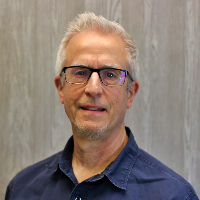
About Jeffrey
Jeffrey Fulmer is a licensed clinical social worker who listens first and asks questions second. He aims to help people facing stress, anxiety, addiction, depression, trauma, grief, and other struggles find steadiness and direction. His plain, steady approach suits people who want clear guidance and affirmation.
He draws on 23 years in social work, including 15 years focused on clinical counseling for mental health and substance use concerns. For a decade he worked with college students and more recently has counseled adults 18 and over.
How Jeffrey works
Earlier roles included directing an adoption agency, supervising foster care services, and caring for emotionally disturbed children who had been abused or neglected. Fulmer describes his style as strengths-based and client-centered. He emphasizes affirmation, recognition of progress, and unconditional positive regard.
He also uses cognitive behavioral techniques to help people change unhelpful thoughts and actions. His personal recovery from substance use informs his work with people affected by chemical dependency and addiction. He also teaches an online Chemical Dependency class for a nationally recognized university, bringing practical insight from both lived experience and professional practice.
Jeffrey is based in Virginia and offers counseling in English. He aims to help people find more meaning, hope, and healing from emotional wounds. To start, prospective clients complete an online matching questionnaire and schedule sessions according to his availability.
Jeffrey lists 6 ways of working on the entry:
What Jeffrey works with
The areas below are the ones Jeffrey selected when setting up a profile. The first few are listed as the main focus; the rest are also named.
- Stress, Anxiety
- Addictions
- Relationship issues
Also listed
- Abandonment
- ADHD
- Adoption and foster care
- Anger management
- Bipolar disorder
- Cancer
- Career difficulties
- Caregiver issues and stress
- Codependency
- Commitment issues
- Communication problems
- Compassion fatigue
- Control issues
- Coping with life changes
- Dependent personality
- Depression
- Disruptive Mood Dysregulation Disorder (DMDD)
- Drug and alcohol addiction
- Emptiness
- Family conflicts
- Family of origin issues
- Family problems
- Fatherhood issues
- Forgiveness
- Grief
- Guilt and shame
- Impulsivity
- Intellectual disability
- Isolation / loneliness
- Jealousy
- Life purpose
- Men's issues
- Midlife crisis
- Money and financial issues
- Mood disorders
- Multicultural concerns
- Panic disorder and panic attacks
- Paranoia
- Parenting issues
- Personality disorders
- Phobias
- Post-traumatic stress
- Postpartum depression
- Process addiction (porn, exercise, gambling)
- Seasonal Affective Disorder (SAD)
- Self esteem
- Sexual assault and abuse
- Social anxiety and phobia
- Trauma and abuse
- Traumatic brain injury
- Workplace issues
- Young adult issues
Training and background
| Register | LCSW |
|---|---|
| Years in practice | 23 |
| Languages | English |
| Session format | Online: video, phone, live chat or messaging |
| Country | Virginia |
Memberships and registers are shown as supplied; they are not licences, and this directory does not verify them.
Online support options
Approaches that guide online sessions
Client-centered therapy focuses on listening, empathy, and meeting people where they are. It helps when someone needs acceptance, encouragement, and a steady presence as they work through their concerns.Cognitive Behavioral Therapy, or CBT, looks at how thoughts and behaviors interact. It uses practical exercises and small steps to reduce anxiety, depression, and unhelpful patterns that get in the way of daily life.
Emotionally-Focused Therapy helps people notice and change patterns in close relationships by focusing on underlying feelings and needs. It is useful for those who want clearer connection and healthier communication in important relationships.
Finding the right approach is part of the work together. The therapist will talk with the client about goals, preferences, and what feels most helpful, then tailor methods to fit those needs in a collaborative way.
The biography does not specify which online session formats he offers, so confirm current options before booking. Online sessions can make it easier to fit counseling into a hectic schedule, shorten commute time, and allow shorter check-ins when needed. They also let people continue care from different locations and keep progress steady between in-person appointments when those are used.
Start online instead of waiting
Our partner service asks a few questions about what you are looking for and matches you with a therapist for sessions from home.
Book with JeffreyWe will earn a commission if you sign up through our link, at no cost to you.
Common questions
What concerns does this therapist commonly address?
What is his therapeutic style like?
What kind of professional background does he have?
What credential does he hold and where is he located?
Which languages are supported for sessions?
What session formats are available?
How are fees and payment handled?
How do I begin working with him?
A practical next step
Write down two things you would want to be different in six months. That is the most useful thing to bring to a first session, whoever it is with. If you would rather start now than keep reading, online sessions are the quickest route.
We will earn a commission if you sign up through our link, at no cost to you. Entries are not assessed or endorsed by this directory.
Other entries for stress, anxiety
Supportive LCSW helping people build strength and clarity
Practical, trauma-aware therapy for everyday life
Practical, relational therapy for life transitions